Identity panel
- Machine
- Exact model and serial reference
- Configuration
- Brush, pad, battery, charger and attachment
- Document
- Applicable manual revision on hand
Factory Cat Support
Capture the machine identity, operating state, route condition and safe checks already completed. A structured record is easier to route than a general request for help.
Open the framework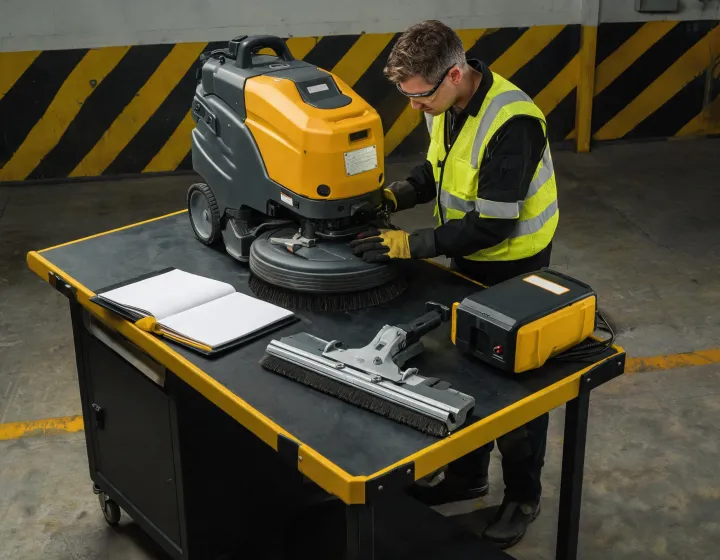
Case dashboard
Fill each panel with observations from the machine and site. Do not infer specifications, fault causes or compatible parts from appearance alone.
Request set
Public search phrases such as “Factory Cat parts,” “Factory Cat error codes” or a model name do not establish compatibility or a repair procedure. Use the machine identification and current controlled documents.
Confirm normal checks, warnings, service intervals and approved operating conditions for the exact model.
Submit the serial reference and component context before ordering. Visually similar wear parts can differ in material, size or revision.
Document the test lane, operator, surface state, pad or brush, solution setting and timed blocks to make results repeatable.
Escalation timeline
Unusual heat, odor, smoke, vibration, damaged cabling, leakage or unpredictable motion requires the response specified by the manual and facility procedure. Do not continue a trial to collect more data.
Record indicators, operating mode, elapsed time and surrounding conditions before resetting or replacing several items. Evidence lost during simultaneous changes can make the condition harder to reproduce.
Operator checks, facility inspection and qualified technical service have different boundaries. Assign the next step to the role authorized for that machine and hazard category.
After permitted work, complete the documented inspection and functional check in a controlled area. Record the result and any operating restriction before releasing the machine to the route.
Model, serial context, operating condition and one clear observation give the request a useful starting point.